
Retirement Planning - What Matters Beyond the Money?
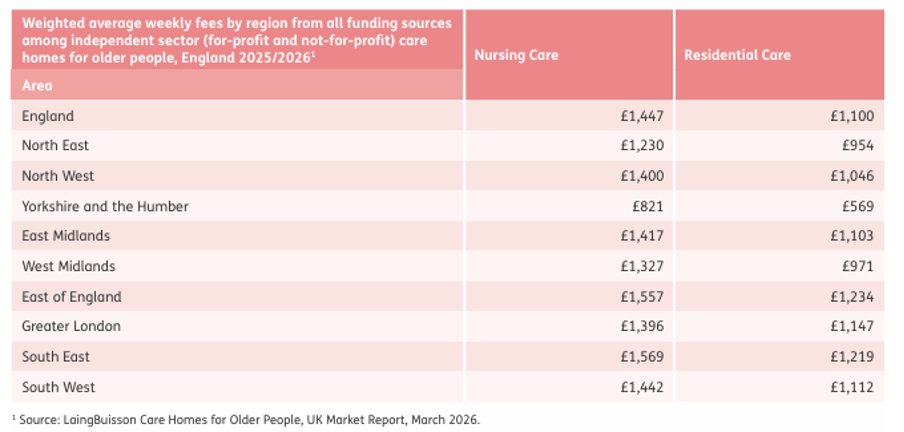
When people think about retirement planning, the focus is usually on finances, and for good reason. With many retirements now lasting 30 to 40 years, making sure your money lasts is essential. Care costs alone can average around £81,588 (or £1,569 per week).In reality they can be much higher depending on your personal circumstances, needs and geographical location.
Financial planning is only one part of preparing for a fulfilling retirement. Your physical health, mental wellbeing, sense of identity and daily structure all play a major role in how successfully you will be able to adjust to life after work.
Your Identity Beyond Work
Many people don’t realise how much of their identity is tied to their career: not just the work itself, but the routine, the status, and the social interactions that come with it. When retirement begins, these elements can disappear overnight.
Ask yourself:
How much of who you are is linked to what you do?
How will your social life change when you’re no longer surrounded by colleagues each day?
The Importance of Daily Structure
Work naturally creates structure: waking up at a set time, commuting, interacting with others, and having a clear purpose for each day. Without this, many retirees find themselves feeling unanchored.
For example, if you currently walk 30 minutes to the office each morning, that’s built‑in physical activity that may vanish once you retire. Without a plan to replace it, both physical and mental health can suffer.
Questions to Consider Before You Retire
While everyone’s retirement looks different, it is helpful to reflect on a few core questions:
What are you retiring to, not just from?
How will you create purpose and meaning in your week?
What will your social life look like without work?
How will you stay physically active?
What structure will you build into your days?
How will you define your identity once your career ends?
A Real‑Life Example
At a recent conference, an occupational therapist shared the story of a client who retired with excellent financial security, with enough savings to last well into his nineties. But within six months, the client was referred to his GP for depression.
He had the money. What he didn’t have was a reason to get out of bed on a Tuesday morning.
This experience is far more common than many people expect. Depression and loss of purpose after retirement are real risks, and planning for them is just as important as planning your finances.
In Summary
A successful retirement isn’t just about having enough money, it’s about having a life you want to live. That means thinking ahead about:
Your purpose
Your routine
Your social connections
Your physical and emotional wellbeing
Retirement is a major life transition. Taking time to plan for the non‑financial aspects can make the difference between simply stopping work and truly enjoying the next chapter of your life.
This article was prepared by David Bethell, one of our financial planners. We always appreciate your feedback. If you have enjoyed this article or have any specific topics you would like to see addressed in future newsletters, please email us at FPTeam@city-asset.co.uk.